



Retail technology is transforming how we shop, sell, and interact with stores — both online and in person. Innovations like Artificial Intelligence (AI) and the Internet of Things (IoT) are making shopping smarter, faster, more personalized, and more inclusive. Here’s a clear breakdown of how these trends are simplifying retail for consumers and businesses alike:
Retail is being reshaped by advanced digital tools that are changing how businesses operate and how customers shop. Technologies such as artificial intelligence, connected devices, immersive reality, cloud platforms, and automation are helping retailers create faster, smarter, and more convenient experiences across every touchpoint.
Introduction
By 2026, the influence of Artificial Intelligence on retail technology is no longer something to anticipate—it is already reshaping the industry. As modern retail technologies continue to evolve, AI has emerged as the central force behind improved performance, smarter operations, and global scalability. With AI embedded across retail systems, businesses can now process massive amounts of information to anticipate customer demand. This shift goes beyond data analysis; it focuses on recognising individual behaviours, patterns, and preferences.
This transformation is driving a connected omnichannel environment where customers receive a consistent, intelligent experience whether they shop online, through mobile apps, or inside physical stores. From automated supply chain processes to instant, insight-driven analytics, AI is streamlining operations while delivering more tailored and efficient shopping experiences for consumers everywhere.

1.Retail, Reimagined: The Cloud Advantage
Unlike four decades ago, an international retail company can store all sorts of data in the cloud, accessible to authorised employees in branches across the globe.
2. Retail Technology Meets AI: A New Era of Shopping
Artificial intelligence acts as the decision-making engine behind today’s smart retail environments. Many wonder how AI is influencing retail technology in 2026, but the concept is straightforward. AI studies previous customer interactions and purchase history to predict shoppers’ needs, allowing retailers to present relevant products at the right time. It functions similarly to a Subject Matter Expert who understands a customer’s individual tastes and makes personalised recommendations to the business owner.

In addition to enhancing customer engagement, AI helps retailers manage inventory effectively by identifying optimal stock levels and preventing product overstock or shortages. This is where the value of retail data analytics truly stands out. By using data intelligently, businesses save both time and operational costs while improving pricing strategies. Retailers that leverage data-driven insights are better positioned to deliver competitive prices and a smoother shopping experience for their customers.
3. Unlocking the Future: How IoT-Powered Intelligent Stores are Revolutionising Shopping
Imagine having an offline store – the GOLDEN part – here, the owner gets updates when the number of products is reduced on the shelves. IoT Retail Solutions connect everyday store equipment to digital networks, allowing it to share information automatically. One major benefit of using IoT in retail operations is the ability to track products in real time, ensuring products are placed in the perfect spot in the supply chain.
These connected systems quietly improve the shopping experience by preventing common inconveniences, such as discovering empty shelves during festivals, new product releases and busy moments. Advanced sensors can also monitor conditions like temperature, alerting staff, if refrigerated items are at risk. This helps maintain food quality and safety while enabling stores to operate smoothly, accurately, and efficiently.
4. Shop Smarter Today: Discover How Augmented Reality Transforms Shopping Experience!
Customers face challenges when purchasing an online product (visualisation – if the product will suit them). This is driving the growing adoption of augmented reality in the retail sector. With AR technology, shoppers can use their smartphones or devices to place a virtual version of a product into their own surroundings, whether it’s furniture in a room or clothing on themselves.
This technology closes the distance between digital shopping and real-life experience by allowing customers to see items in context before making a decision. Many retail technologies use AR, particularly in fashion and home décor brands. The impact of AR and VR in retail is substantial, as these technologies increase buyer confidence, enhance the shopping experience, and significantly reduce product return rates.

5. Seamless Shopping Through Omnichannel Retail Innovation
The difference between online shopping and in-store purchasing has faded. This shift is driven by omnichannel retail innovation, which allows customers to move effortlessly between digital platforms and physical locations. For example, a shopper might select a product via a brand’s mobile app, complete the purchase online, and then collect it from a nearby store. Customers also have the option to return items purchased online at a brick-and-mortar store, further integrating the online and offline shopping experience.
This level of convenience supports modern lifestyles by giving customers the freedom to shop as per their needs. Behind this seamless experience are cloud-based point-of-sale systems. Cloud POS retail platforms securely manage all sales and inventory data in one central location, allowing store owners to monitor performance across the globe. As a result, businesses become more efficient, well-coordinated, and better prepared for growth.
Next-Generation Retail Store: Designing Infrastructure
Although this technology is still in its early stages, businesses can use footfall data in specific areas, along with product sales figures, to optimize retail layouts and adjust the stocking of different brands in an offline store.
6. Streamlining Product Movement Through Retail Supply Chain Automation
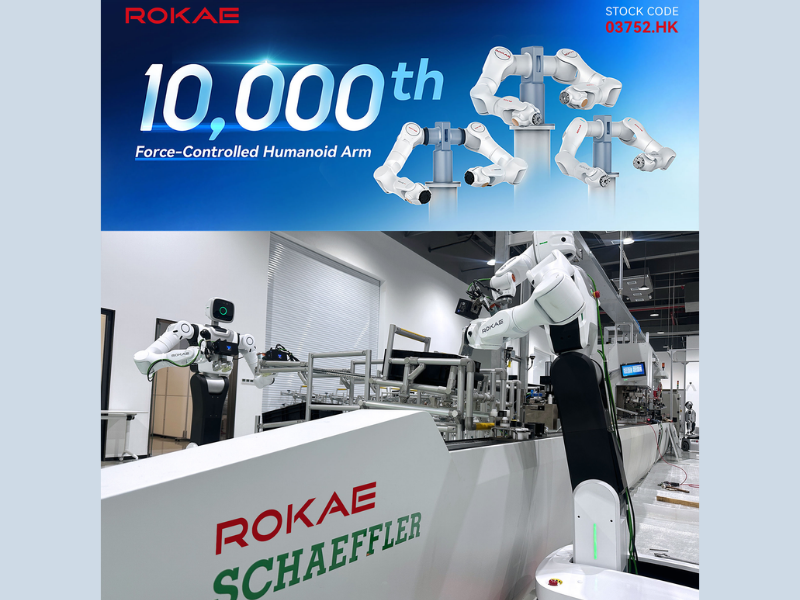
The journey a product takes from manufacturing to the consumer often involves multiple stages, but modern supply chain automation in retail is significantly reducing both time and complexity. Automated warehouses leverage robotics to select, pack, and load items with high precision, reducing operational errors and accelerating order fulfilment efficiency.
7. Tap, Swipe, Buy: How Mobile Commerce Is Transforming Retail
By using mobile payment solutions, customers find it easy to make online payments via Apple Pay, Google Pay and other local service providers (even retail-specific apps such as Amazon, Walmart and others).
Benefits of Using New Technologies in the Retail Industry
Every fast delivery is supported by advanced technological systems operating behind the scenes to ensure accuracy and speed. When combined with the advantages of retail data analytics, the entire supply chain becomes highly efficient. These systems help retailers predict fuel usage, optimise delivery routes, and ensure products reach customers exactly when they are needed, creating a smoother and more reliable shopping experience.
Article by Sathya Narayana B.