


The traditional office environment is undergoing a massive transformation driven by rapid technological advancements. Physical desks and fixed working hours are increasingly being replaced by highly flexible, digital-first environments. This shift represents a complete change in how daily tasks are managed and how teams collaborate. By adopting new digital tools, businesses are building smarter, more adaptable operations that prioritize both efficiency and human connection.
The Shift to Flexible Work Environments
Flexible and hybrid working models have become a permanent reality for many modern businesses. Online storage systems and digital communication platforms allow team members to work together smoothly, regardless of where they are physically located. This technology enables a continuous flow of information, ensuring that projects move forward without delays.
Offering this kind of flexibility directly improves the balance between personal life and professional duties, which often leads to happier and more productive workers. At the same time, it allows businesses to hire skilled individuals from much wider talent pools, as they are no longer restricted by daily commuting limits. To manage these flexible schedules effectively, companies are using intelligent software that helps organize desk bookings and team meetings with ease.
Smart Automation and Daily Tasks
Advanced computing and automated programs are taking over many routine and repetitive daily tasks. By handling basic data entry, scheduling, and standard customer responses, these intelligent systems free up human workers. This allows the workforce to focus their energy on creative problem-solving and complex project planning.
As these intelligent systems handle more of the daily workload, the need for continuous learning is growing rapidly. Businesses are investing heavily in training programs to ensure that their teams feel comfortable using new digital tools. Teaching new skills is essential to keep the workforce confident and fully prepared for changing job requirements.
Focus on Well-Being and Connection
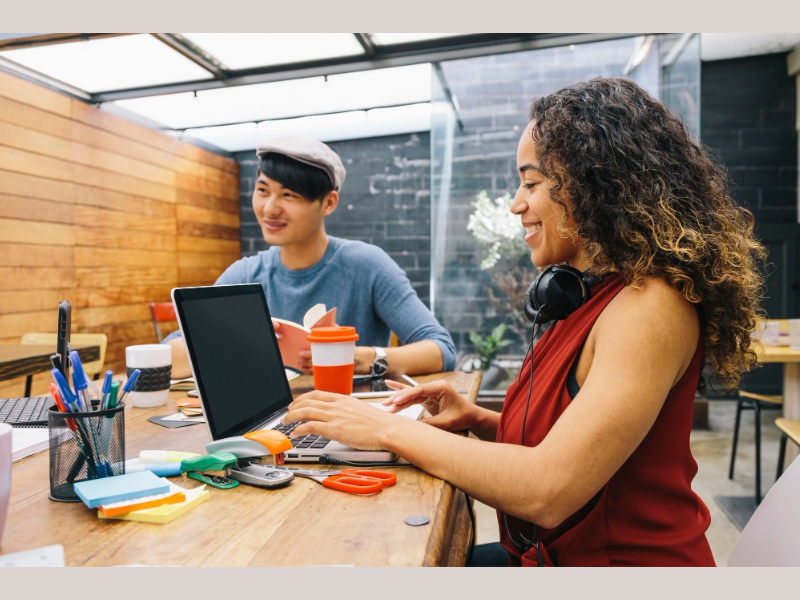
While remote technology offers great freedom, it can also create feelings of isolation. To prevent this, modern business tools are increasingly designed to monitor and improve the daily mental well-being of the team. Virtual gathering spaces and digital discussion boards are used to maintain a strong company culture and foster a sense of belonging, even when people are physically apart.
Additionally, there is a strong push toward using technology to make business operations more environmentally friendly. Companies are using smart sensors to reduce power consumption in office buildings and relying on virtual meetings to cut down on unnecessary travel.
In the end, the modern workplace relies on balancing powerful digital tools with everyday human needs. By embracing flexible schedules, automating simple tasks, and focusing on personal well-being, organizations can build highly effective, future-ready teams.
Blog by Charan M. S.
Read Similar Article
Garmin unveils D2 Mach 2 Pro, its first aviator smartwatch with inReach technology
Dahua Technology Showcases AI-powered ITS solutions at Intertraffic 2026