





Network International is helping businesses across Africa move faster, sell more securely, and serve customers through seamless digital payment solutions that connect online, in-store, mobile, and cross-border transactions. As digital commerce accelerates across the continent, the company’s scale, technology, and regional expertise position it as a critical infrastructure partner for merchants, banks, fintechs, and consumers.
Digital technology has reshaped how people live, work, learn, and trade across borders. The same shift is transforming how businesses accept payments, how consumers access services, and how economies expand participation in digital commerce. In Africa, where mobile money, e-commerce, and cross-border trade continue to grow, fast and secure payment infrastructure is no longer a convenience; it is a foundation for business growth and financial inclusion.
Before digital payments became mainstream, moving money often meant long queues, paperwork, and limited access to banking infrastructure. For businesses, these frictions slowed sales, complicated reconciliation, and restricted customer reach. Modern payment gateways have changed that experience by enabling faster, safer, and more convenient ways to pay, whether online, in store, or through mobile channels.

Network International
Network International is a leading digital commerce enabler across the Middle East and Africa. Founded in 1994, the company brings more than three decades of payments expertise to regional markets, supporting merchants, financial institutions, fintechs, and enterprises with secure acceptance, processing, and value-added services. Operating in more than 50 countries and serving hundreds of thousands of businesses, Network combines regional scale with local market knowledge to help advance digital commerce, financial inclusion, and economic growth across the region.
An Introduction to Global Payment Gateways
In today’s digital economy, a payment gateway acts as the secure bridge between a customer, a merchant, a payment processor, and the issuing bank. When a customer makes a purchase online, in an app, or through an omnichannel journey, the gateway encrypts sensitive payment information, authorises the transaction, and helps route the payment safely for processing and settlement. For businesses, this infrastructure is essential because it enables them to accept multiple payment methods while protecting customer data and reducing transaction risk.
Competition
As digital payments expand globally, competition among gateway providers and payment technology companies continues to intensify. Consumers and businesses now have more choice than ever, but long-term success depends on more than transaction processing. Providers must deliver secure, seamless, reliable, and customer-centric payment experiences that respond to changing expectations across markets, channels, and payment methods.
Security
Security is one of the most important measures of a payment gateway’s value. Beyond verifying that funds are available, an effective gateway helps protect transactions against fraud, secures sensitive customer data, and supports fast, reliable settlement. This combination allows businesses to accept a wide range of local and international payment methods while giving customers greater confidence at checkout.
In most markets, businesses can choose from multiple payment gateway providers, but only a smaller group earn sustained trust by combining reliability, security, local relevance, and consistent service quality. For merchants, the best provider is not simply the one that processes payments, but the one that helps them grow while reducing operational complexity and risk.
A Triumph on the Global Stage
Network International was recently named “Best Payment Gateway Provider Africa 2026” by Brands Review Magazine, highlighting its growing role in the region’s digital commerce ecosystem. Backed by more than three decades of payments experience, a workforce of around 3,000 professionals, and operations across more than 50 countries, the company provides infrastructure that supports merchants, financial institutions, and consumers at scale. Today, it serves more than 240,000 businesses and 250 financial institutions across the In Middle East and Africa.
Benefits of using Network’s Omnichannel Payment Solutions
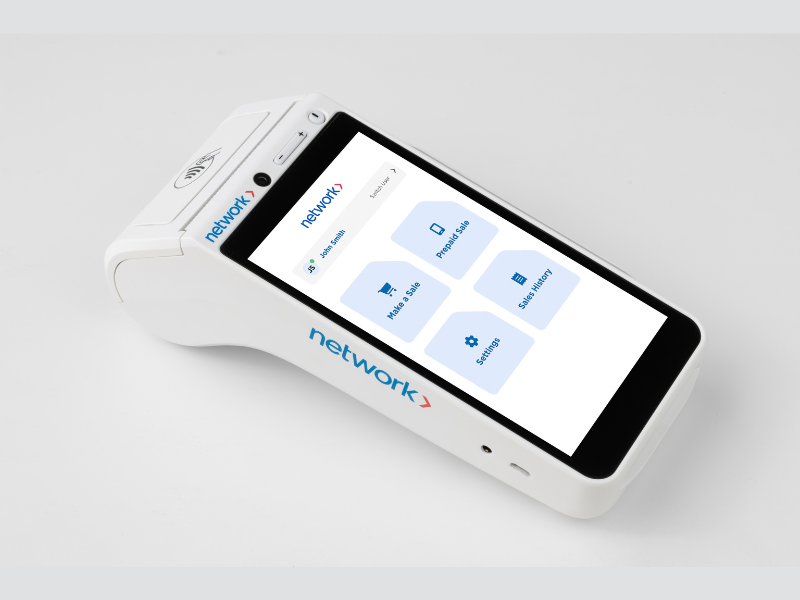
For merchants, Network’s fully digital and paperless onboarding process helps online and in-store sellers get started quickly and complete the required steps with less friction.Businesses can accept payments through hosted checkout portals, mobile SDKs, pay-by-link options, and ready-made plugins for major e-commerce platforms. In physical retail, Android-powered N-Genius POS terminals receive automatic remote updates, helping merchants access the latest features, including options such as Slice, which allows customers to split purchases into instant instalments at the counter.
End-to-End Issuer Processing and Developer Infrastructure
Beyond standard payment acceptance, Network acts as an end-to-end issuer processor for banks, fintechs, and telecom operators. Its white-label platform supports instant digital wallet creation, virtual corporate card issuing, cross-border transfers, and automated mobile money integrations. For technical teams, the Developer Portal provides sandbox testing environments, Postman collections, and pre-built APIs that allow them to test authorisations, captures, and refunds safely before launching changes into live environments.
Enterprise Security and Compliance Standards
Security remains central to Network International’s digital payments platform. The platform is certified to PCI DSS 4.0 and PA-DSS standards and uses end-to-end encryption, 3DS biometric verification, real-time fraud monitoring, and multi-factor authentication to help protect high-volume transactions against evolving cyber threats.
Direct Customer Benefits and Business Management Tools
For Localized Businesses
To fully appreciate Network’s impact across African markets, it is important to understand how local payment habits shape everyday commerce.In many emerging economies, reliance on traditional banking models is declining as mobile money networks and local payment schemes gain traction. Network bridges this gap by enabling merchants to accept international card brands alongside domestic wallets and alternative payment methods. By bringing these channels into a single settlement platform, businesses can serve local consumer preferences without rebuilding their payment infrastructure each time a new wallet or payment method grows in popularity.
This adaptability is especially important for the region’s growing small and medium-sized business sector. For many local store owners, complex financial compliance and technology setup have historically made it difficult to go digital. Network helps lower that barrier through intuitive self-service controls and streamlined digital identity verification. Small businesses can launch digital storefronts, generate instant payment links for chat-based selling, and reconcile daily cash flow directly. This access gives informal and growing merchants practical tools to build verified financial histories, making it easier to secure working capital and expand their operations.
For International Businesses
For larger enterprises, operating across multiple currencies and regulatory regimes creates a different set of financial challenges. Network’s commercial processing engine gives corporate clients greater visibility across complex supply chains. By issuing dynamic virtual corporate cards with programmable spending limits, procurement teams can control vendor payments in real time while reducing unauthorised expense claims. Automated reconciliation tools also integrate transaction data with centralised accounting systems, reducing manual entry and helping finance teams close monthly reconciliations more efficiently and accurately.
App-Based Business Management
Business owners can manage these operations remotely through the My Network App, which provides visibility into daily settlements and real-time customer analytics from a single smartphone interface. These capabilities are supported by value-added services such as AI-driven transaction optimisation through cardAI Optimiser, white-label loyalty programmes, and automated corporate spending controls that connect with existing ERP systems. By investing in regional technology talent and local payment infrastructure, Network continues to support financial inclusion and safer digital commerce across the Middle East and Africa.
The Future of Digital Financial Networks in Emerging Markets
Looking ahead, scaling a digital financial network across more than 50 markets requires more than imported technology; it requires local capabilities, resilient infrastructure, and teams that understand the realities of each market. Network continues to invest in regional processing hubs, localized data centres, and modern payment architectures across key growth markets in Africa and the Middle East. By combining high-performance technology with local operational expertise, the company is building a platform designed to support the next wave of digital commerce, financial inclusion, and payment innovation across the region.
Article received on email.