




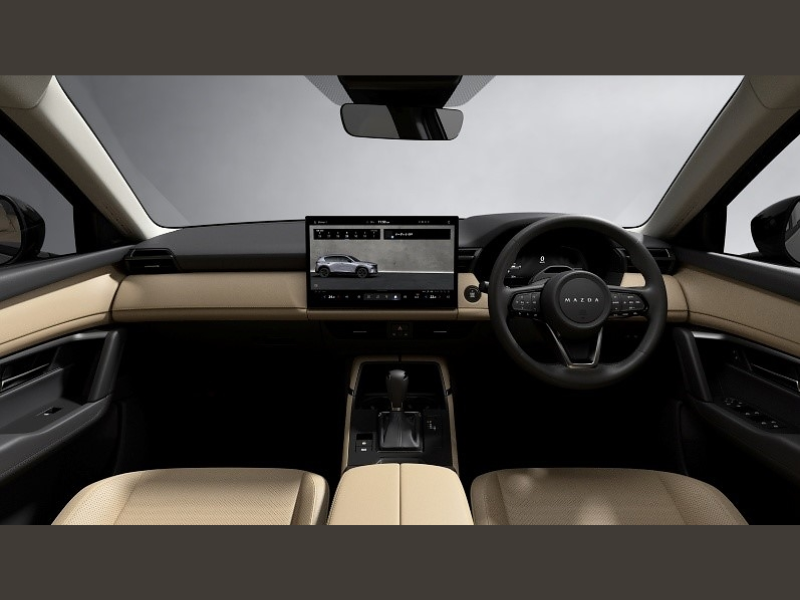
Panasonic Automotive Systems Co., Ltd. recently announced its cockpit domain controller (CDC) has been adopted in Mazda Motor Corporation’s all-new MAZDA CX-5.
Following its European debut in December 2025 and Japan launch in May 2026, the new CX-5 is scheduled to roll out worldwide, including North America and Europe. Developed under the concept of “New Generation Emotional Daily Comfort,” the all-new CX-5 features evolved design and driving performance, along with enhanced cabin spaciousness, comfort, and quietness. In addition, the adoption of Mazda’s new MAZDA E/E ARCHITECTURE+ electronic platform has enabled a complete redesign of the human-machine interface (HMI), while strengthened and expanded communication functions and applications—together with evolved advanced driver-assistance systems (ADAS)—have been incorporated to create a vehicle that allows all occupants to enjoy driving with confidence, safety, and comfort. The CDC adopted for the all-new CX-5 is positioned as a core cockpit system that supports these evolved HMI functions.
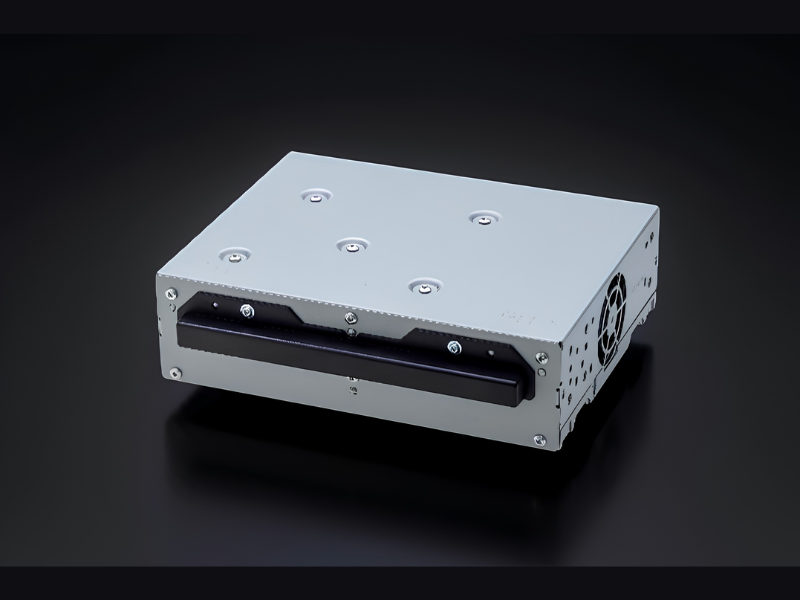
The CDC delivers an advanced cockpit platform designed for software-defined vehicles (SDVs), combining centralized control of key systems—such as infotainment (IVI), head-up display (HUD), and instrument cluster—with seamless, intuitive user experiences. Its updatable architecture enables continuous enhancements via over-the-air (OTA) updates, supporting evolving customer needs throughout the vehicle lifecycle.
Panasonic Automotive Systems has also integrated VirtIO, an open-standard virtualization technology, to support scalable software development and maximize long-term platform value.
Key Features
Updatable SDV Platform
A modular architecture supports ongoing feature upgrades and performance improvements. With OTA orchestrator functionality, updates extend across the cockpit ecosystem—including HUD and instrument cluster—ensuring a continuously improving vehicle experience.
Integrated, Multi-Display Cockpit Experience
Centralized control of three synchronized displays creates a consistent and cohesive interface across the cockpit. Coordinated visuals, lighting, and audio deliver clear, real-time feedback, enhancing driver awareness and usability. Furthermore, based on driver profiles, the platform automatically restores preferences such as the driving position (including seat and HUD adjustments) and climate control settings, contributing to the realization of a Driver Personalization System.
Connected, Intuitive User Experience
Integrated voice control further minimizes driver distraction while maximizing overall convenience. Panasonic Automotive Systems is also the first Japanese manufacturer to integrate the Unity 3D engine into in-vehicle systems. This enables real-time visualization of vehicle data— such as door status, turn signals, and surrounding environment information—through high-definition, responsive graphics.
Our HUD technology further enhances safety by projecting bright, low-distortion information directly within the driver’s line of sight.
For more news on automotive industry, check links below:
Toyota Camry adds a bold new Nightshade edition to its lineup for 2026
Android Auto compatibility is now available for Lucid Air owners